Quiet Forms: Why Restraint Is the New Luxury
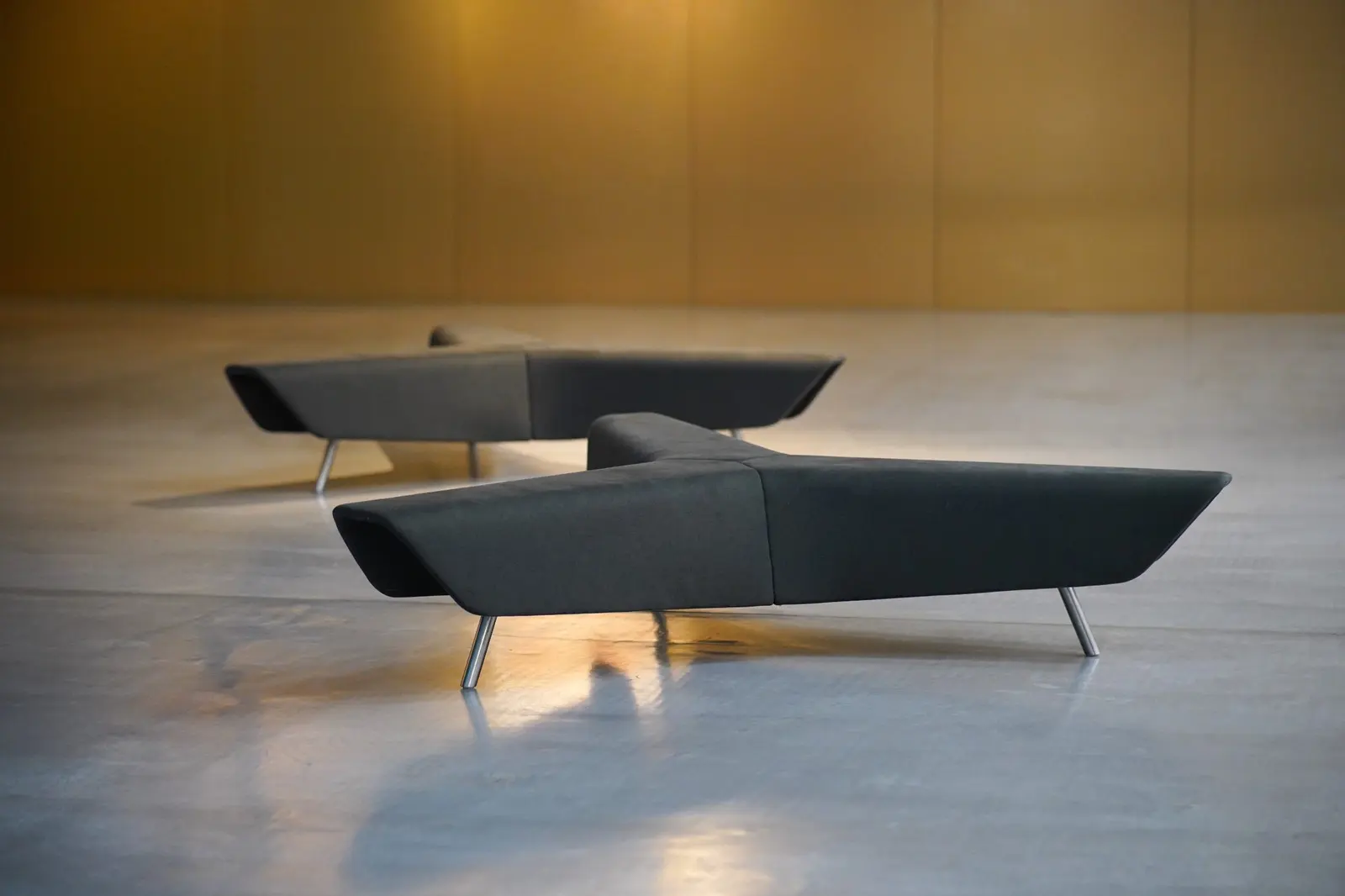
There is a moment in every design process where a piece is finished — and a second, more dangerous moment, where it gets improved. An extra stitch line. A bolder leg. A clever detail that exists mostly to be noticed. Most furniture that ages badly was ruined in that second moment.
Restraint is not the absence of design. It is design held under tension.
What restraint actually costs
A quiet silhouette is unforgiving. When a sofa has no ornament to hide behind, every seam, radius and proportion is exposed. The upholstery has to break cleanly at the arm. The foam has to recover at the same rate across the whole seat. The gap between cushion and frame has to be even to the millimetre, because there is nothing else for the eye to look at.
This is why minimal furniture is harder to build than maximal furniture, and why so much of what is sold as minimalism is really just emptiness — the look of restraint without the discipline underneath.
Ornament can be added at the end. Proportion has to be right from the first drawing.
Quiet pieces work harder
For the spaces our partners furnish — salons, lobbies, showrooms — restraint is also a commercial argument:
- Quiet forms don't compete. A sculptural but disciplined piece flatters the room, the product on the shelves, and the people in it. A loud piece demands the room be designed around it.
- They survive repaints and rebrands. Interiors change every few years; good furniture shouldn't have to.
- They photograph honestly. What a client sees online is what arrives. Pieces that rely on styling and angles create disappointment at delivery.
- They age into character, not into kitsch. Fashion-forward details mark the year they were made. Proportion doesn't.
The test we use
Before a piece leaves our workshop, we ask one question: if this were the only object in the room, would the room still feel composed? Not full — composed. If the answer is yes, the piece has earned its silence.
The furniture in the photograph above passes that test. Nothing about it raises its voice. And that is exactly why you keep looking at it.