Patina: When Age Becomes a Feature
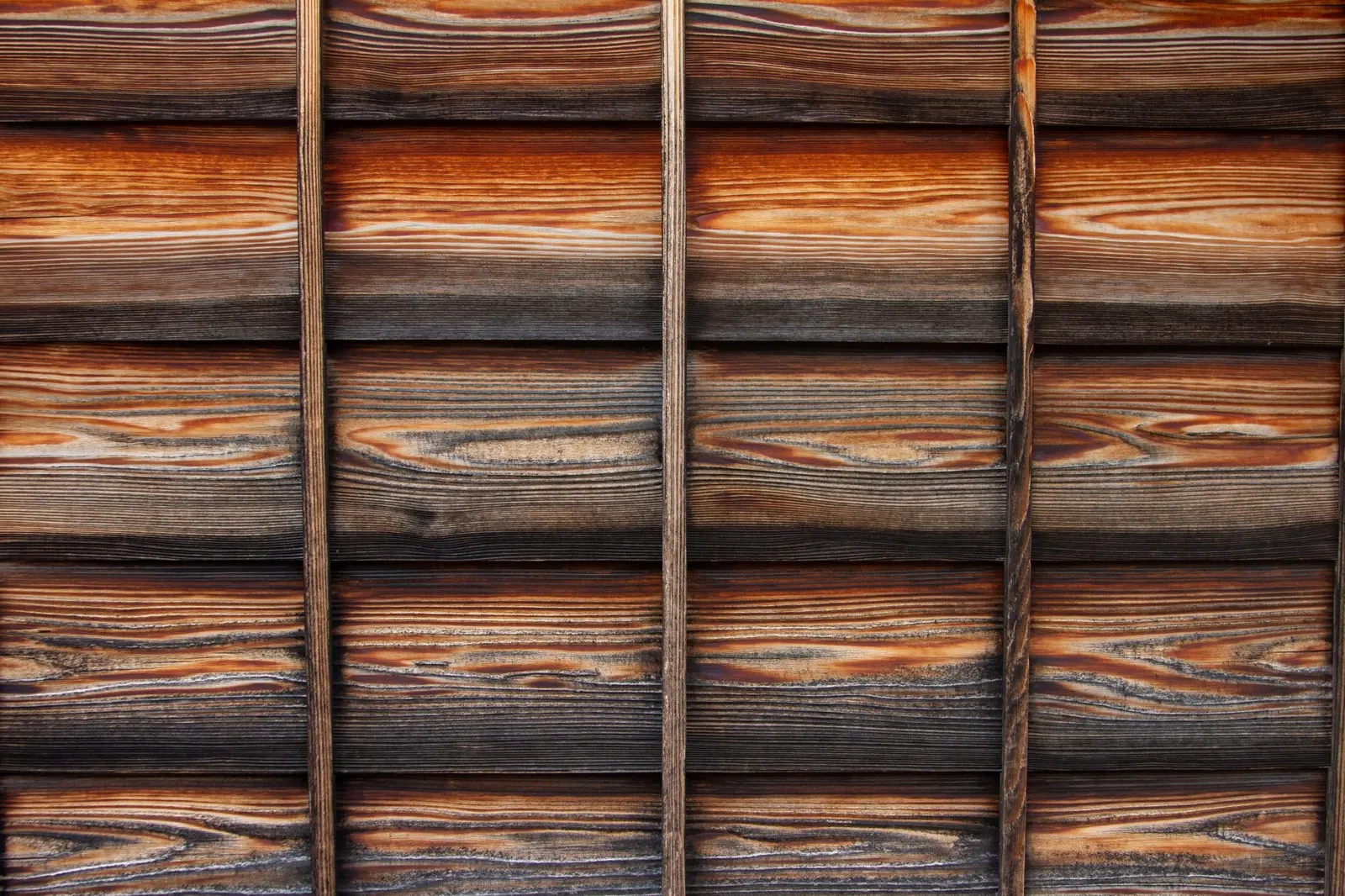
The timber wall in the photograph has been standing in the weather for decades. Nobody has refinished it. By every spreadsheet measure it is degraded — and it is more beautiful now than the day it was built. The grain has risen into relief, the colour has deepened into browns and greys no stain can fake, and the surface tells you exactly what sun and rain have done to it, year by year.
That is patina: change that adds information. It is the difference between a material ageing and a material failing — and it is decided at the moment of purchase, not after.
Patina versus wear
The distinction is simple and worth being strict about:
- Patina is the surface recording use without losing function. Brass darkening. Leather gaining a glow where hands rest. Oak's edges softening and deepening in colour.
- Wear is the surface losing itself. Foil peeling at a corner. Lacquer hazing into scratches. Veneer chipping to reveal fibreboard.
The cruel rule: materials patinate, imitations wear. A printed wood-grain foil cannot age into anything, because there is nothing underneath the picture. The photograph of wood stays a photograph while the substrate fails around it.
Materials that age in the right direction
- Solid timber, oiled — scratches blend into the grain's story; colour deepens.
- Full-grain leather — gains gloss and tone map of its use. (Corrected-grain leather, by contrast, wears like paint.)
- Wool textiles — develop a soft bloom; they felt slightly rather than pill.
- Brass, copper, bronze — darken and mark beautifully, and can always be brought back.
- Linen — creases into elegance; the crease is the look.
Designing for patina
A maker can invite good ageing or fight it. Watch for the signals: through-dyed materials (damage reveals the same colour, not a white scar), repairable finishes, and details placed where hands will actually polish them — a rounded solid edge on a table earns its sheen from sleeves and palms within a year.
A new piece of good furniture is at its worst on delivery day. Everything after is improvement.
That sentence should guide more buying decisions than it does. If a piece looks perfect in the showroom and you cannot imagine it better in ten years — only worse — it is wearing a costume. Buy the materials that have somewhere to go.